

Trump expands US travel ban to seven more countries, Palestinians included
New proclamation cites screening failures and national security risks
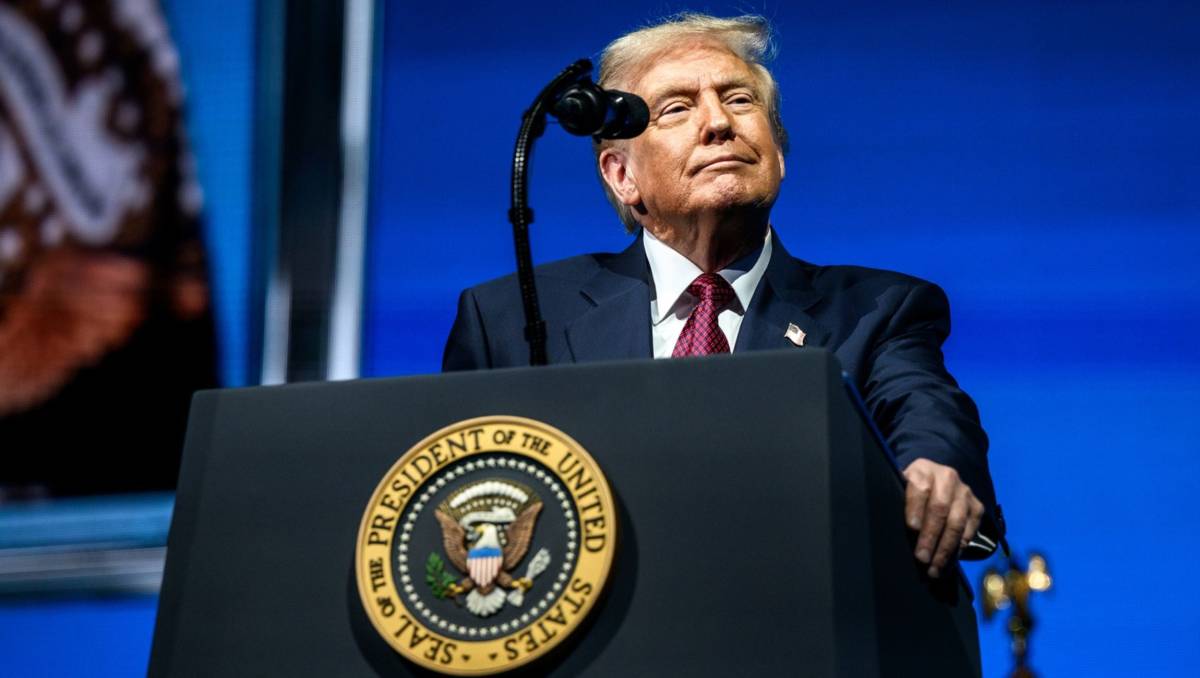
DUBAI – US President Donald Trump has significantly expanded the United States’ travel ban, barring citizens from seven additional countries, as well as holders of Palestinian Authority passports, from entering the country.
The new restrictions, announced by the White House on Tuesday, will come into force from January 1, 2026. The move brings the number of countries whose nationals face full or partial entry restrictions to nearly 40.
The White House said Trump signed a proclamation aimed at “expanding and strengthening entry restrictions” on countries deemed to have persistent and severe deficiencies in screening, vetting and information sharing. The administration cited national security and public safety concerns, stating that the measures were intended to prevent individuals who could threaten Americans or undermine US institutions from entering the country.
➡️ The Proclamation continues full restrictions & entry limitations of nationals from the original 12 high-risk countries established under Proclamation 10949: Afghanistan, Burma, Chad, Republic of the Congo, Equatorial Guinea, Eritrea, Haiti, Iran, Libya, Somalia, Sudan, &…
— The White House (@WhiteHouse) December 16, 2025
Full ban
Under the proclamation, a full travel ban will now apply to nationals from Burkina Faso, Mali, Niger, South Sudan, Syria, Laos and Sierra Leone. Laos and Sierra Leone had previously been subject to partial restrictions, but the new order upgrades both to a complete ban. The proclamation also blocks entry for individuals travelling on documents issued by the Palestinian Authority, a measure that US officials had already been enforcing informally.
The latest additions come on top of full restrictions already in place for nationals from Afghanistan, Burma, Chad, the Republic of the Congo, Equatorial Guinea, Eritrea, Haiti, Iran, Libya, Somalia, Sudan and Yemen. The White House said the continued inclusion of these countries was based on ongoing concerns over visa overstays, weak identity-management systems and limited cooperation with US security agencies.
Partial limits
In addition to the full bans, Trump imposed partial entry restrictions and visa limitations on a further group of countries. While the White House did not immediately release a comprehensive list, previous briefings and reports indicated that the measures affect several African nations, including Nigeria, Ivory Coast and Senegal, as well as a number of Caribbean states and the Polynesian nation of Tonga.
The administration has said that athletes and officials participating in major international sporting events, including the football World Cup to be co-hosted by the United States, Canada and Mexico next year, will be exempt from the restrictions. No similar assurances have been given for supporters travelling from affected countries.
Why Syria?
Syria’s addition to the full ban has drawn particular attention. The decision came days after two US troops and a civilian interpreter were killed in the country in an attack blamed on a suspected Islamic State militant. Syrian authorities said the perpetrator was a member of the security forces who was due to be dismissed over extremist Islamist views.
The White House said Syria was included because of high visa overstay rates, weak central authority and inadequate systems for issuing passports and conducting security vetting. While acknowledging that Damascus has engaged with Washington on security issues, officials said the country still lacked appropriate screening and vetting measures.
Political backdrop
The expanded travel ban forms part of a broader hardline immigration agenda under Trump, who has ordered mass deportations and sharply reduced refugee admissions. The United States is now accepting refugees almost exclusively from South Africa’s white Afrikaner minority, according to administration figures.
Refugee advocacy groups warned that the move would further endanger vulnerable populations. Global Refuge, a Christian-based organisation that supports displaced people, said the administration was using the language of security to justify blanket exclusions rather than relying on individual, evidence-based screening.
Trump imposed similar restrictions during his first term, measures that were upheld by the US Supreme Court, which ruled that the policy fell within presidential authority and was based on legitimate national security purposes. In June 2025, Trump restored and updated those restrictions following a new global assessment of screening and vetting risks.